Architectural Deep Dive Modern Software Solutions for Enterprise Excellence
In today’s digital-first economy, software is no longer just a tool—it is the core infrastructure that defines business agility and competitive advantage.
Software Empowering Digital Transformation
Software is a collection of instructions, data, or programs written in computer languages to command hardware—such as computers, smartphones, or servers—to execute specific tasks. If hardware is compared to the physical body, software is the mind and brain that controls it.
Enterprise Software Classification
To optimize IT infrastructure, software systems are categorized based on their functional architecture and role within the ecosystem:
System Software: The foundational layer—including Operating Systems (OS) like Linux and Windows, and low-level drivers—that manages hardware resources and provides a platform for application execution.
Application Software: End-user programs designed to execute specific business capabilities, ranging from Enterprise Resource Planning (ERP) and Customer Relationship Management (CRM) to collaborative productivity suites.
Middleware: The digital connective tissue that facilitates data exchange and communication between disparate applications, databases, and platforms (e.g., Enterprise Service Buses, API Gateways).
Software Deployment Models
Choosing the right deployment strategy impacts capital expenditure (CapEx), operational expenditure (OpEx), and data governance:
On-Premises Deployment: Software is hosted locally on the organization’s proprietary servers. This offers maximum data sovereignty and customization but requires substantial upfront hardware investment and dedicated IT maintenance.
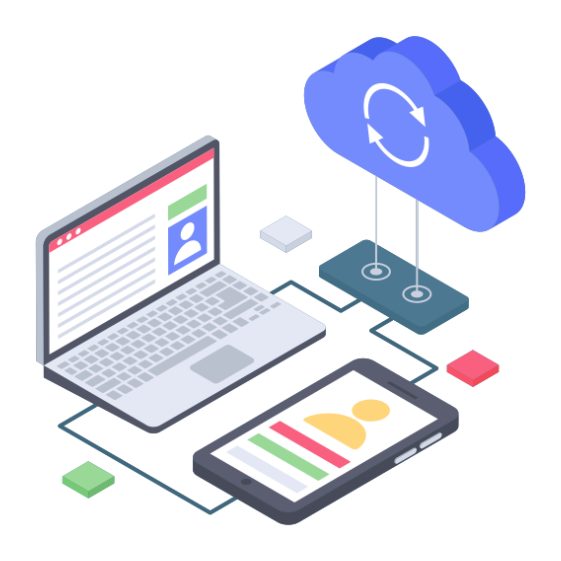
Software-as-a-Service (SaaS): A cloud-native model where the software is centrally hosted and managed by a third-party provider. Benefits include subscription-based pricing, automatic updates, global accessibility, and rapid time-to-market.
Critical Software Evaluation Framework
When selecting or developing enterprise software, architecture and procurement teams should evaluate four pillars:
Interoperability & Integration: Availability of robust, well-documented RESTful or GraphQL APIs to ensure seamless data flow across the existing tech stack.
Scalability & High Availability: The system’s capacity to handle spikes in concurrent users and massive data loads without latency degradation.
Security & Compliance Protocols: Alignment with global data protection standards (e.g., GDPR, ISO/IEC 27001) alongside advanced encryption algorithms for data at rest and in transit.
Total Cost of Ownership (TCO): Comprehensive evaluation of license models, implementation costs, user training, and ongoing technical support fees.
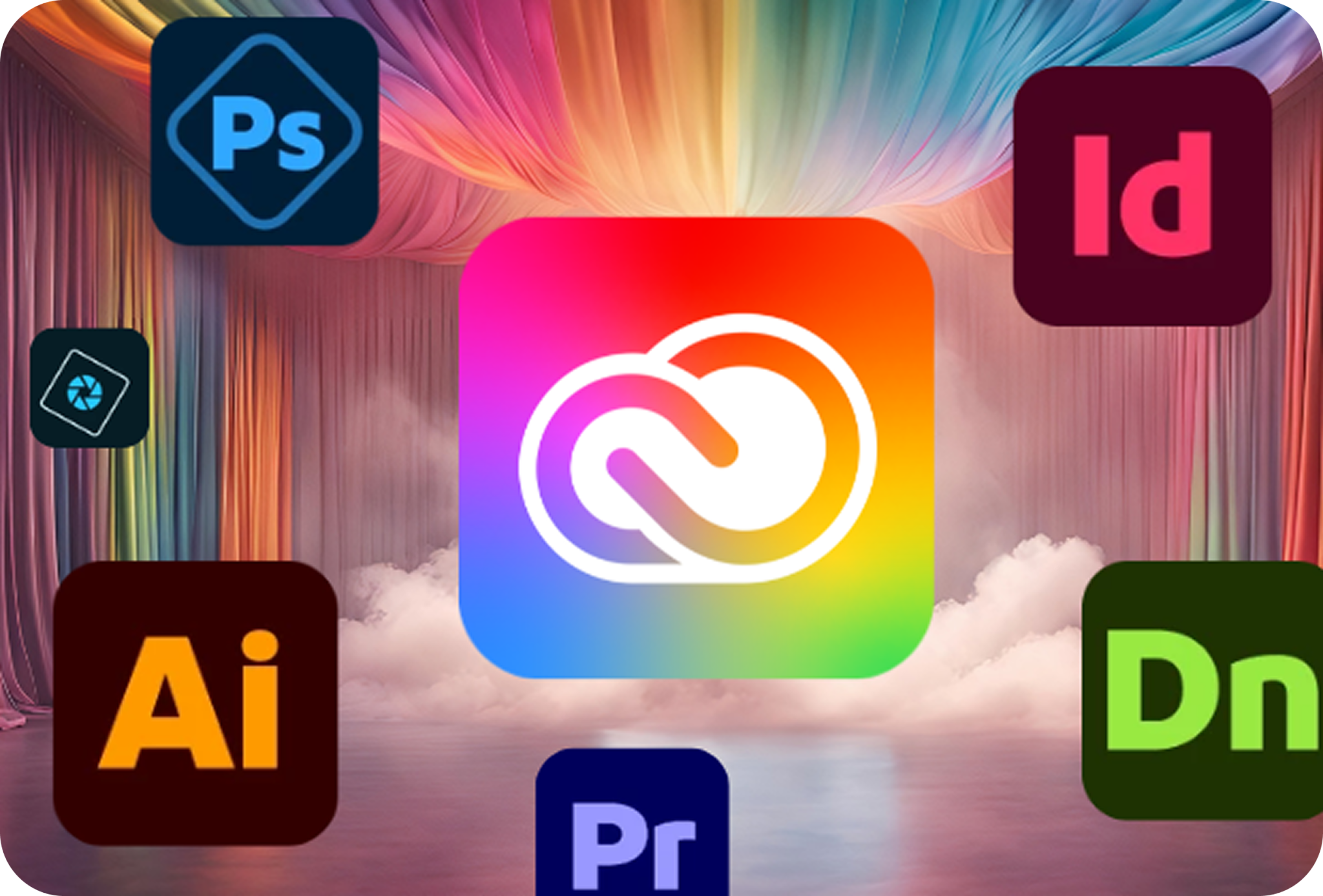
Adobe is a software suite that includes over 20 applications for various creative tasks, such as graphic design, video editing, website design, and photo editing. Popular apps in the suite include Photoshop, Illustrator, Premiere Pro, After Effects, and Lightroom, all accessible under a single subscription. This provides users with easy and convenient access to the tools they need. Furthermore, it includes cloud storage, continuous application updates, and integration with other Adobe services to enhance productivity.
Explore an in-depth review of AutoCAD by Autodesk. Discover its key features, specialized toolsets, cross-platform compatibility, and why it remains the industry standard for engineering and architecture.
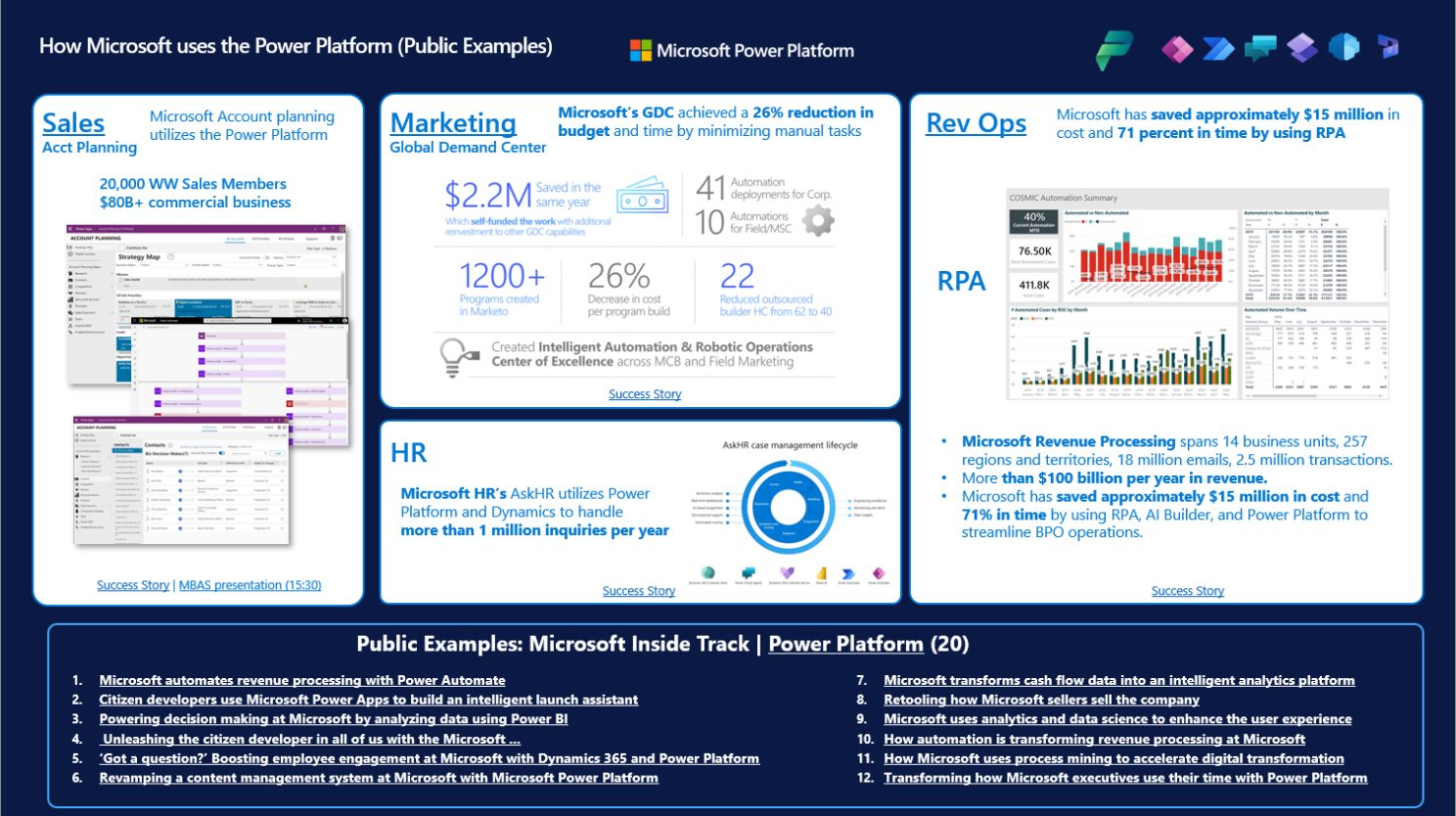
When your business has grown to the point where existing systems can no longer support operations effectively, finding a new set of tools to help your business move forward becomes essential. We would like to introduce you to Microsoft Power Platform — a unified hub of programs that integrates seamlessly with other Microsoft products without limitation, enabling you to run your business more efficiently. Microsoft Power Platform consists of a diverse range of tools, each with its own distinct capabilities and functions, all working together seamlessly. Its key strength lies in a “low-code approach,” allowing users to build enterprise solutions with ease.
Foxit has established itself as a global leader in PDF software, offering robust solutions that go far beyond basic PDF viewing. This comprehensive guide explores how Foxit empowers organizations to streamline workflows and maximize productivity.