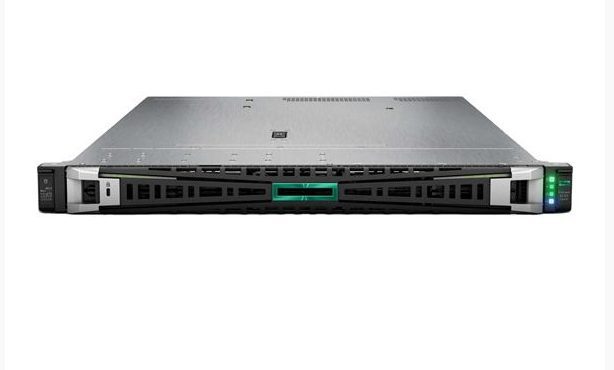
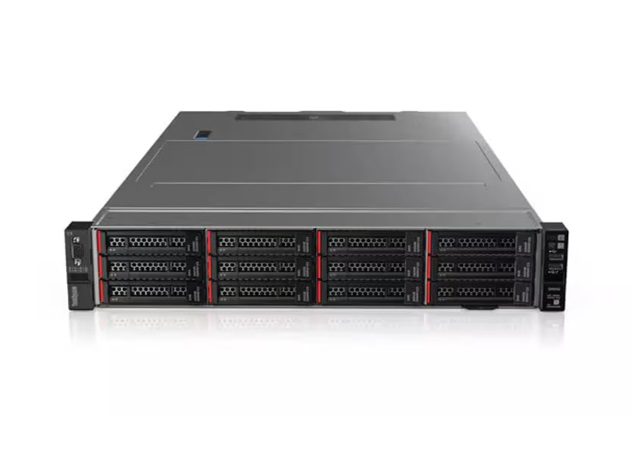
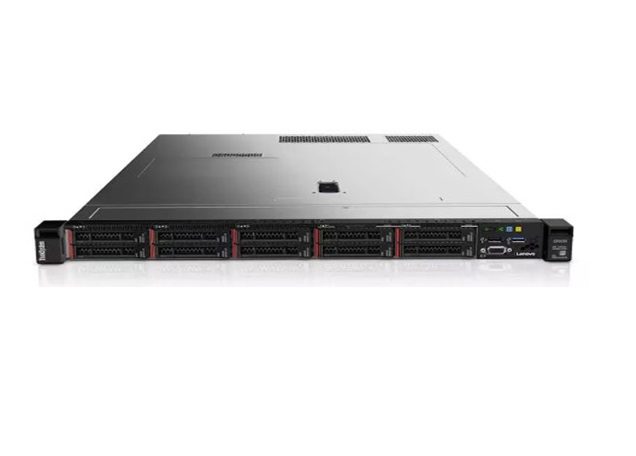
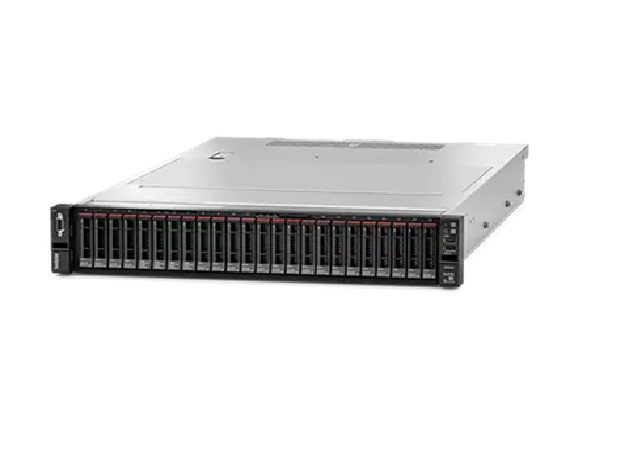
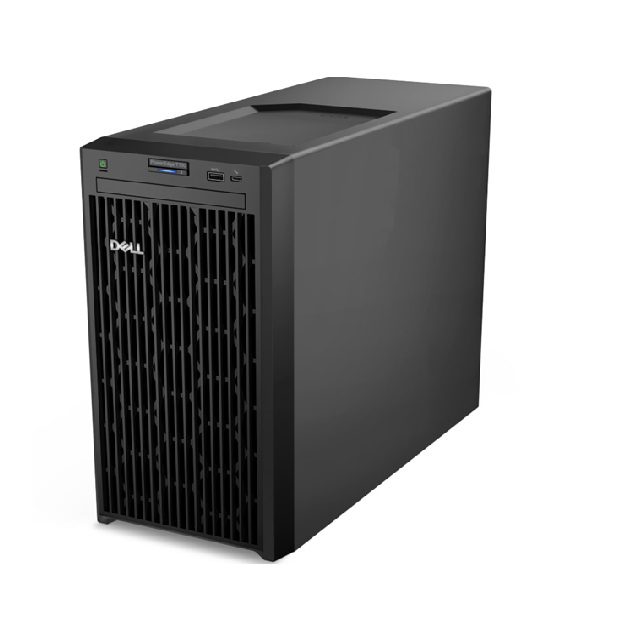
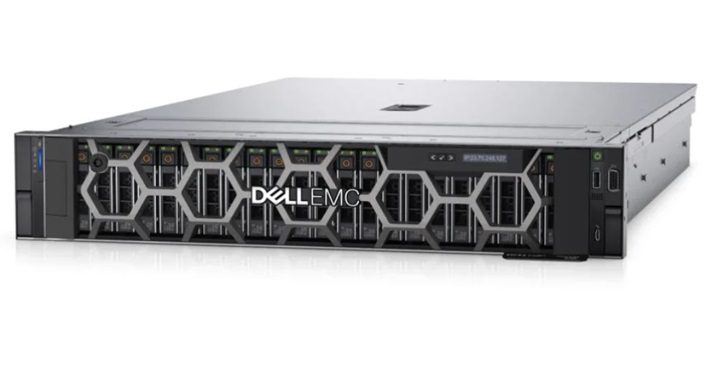
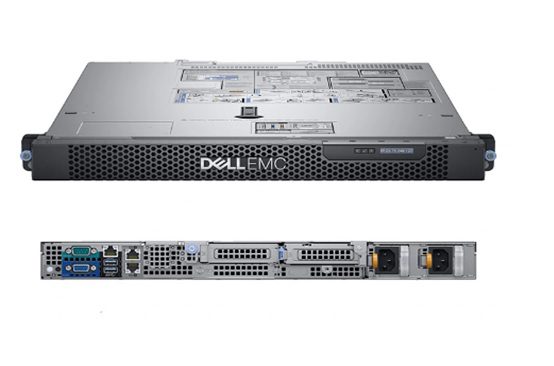
Server

The Backbone of Modern IT Infrastructure

Server is much more than an oversized computer. and delivering critical services to ensure 24/7 business continuity.

Guide into Server Types and Enterprise Architecture

In today’s digital economy, a Server is the central backbone of any business infrastructure. It operates continuously to manage data, process complex applications, and power enterprise workflows for networks of client devices. Selecting the right server architecture directly impacts your organization’s operational efficiency, security, and scalability.

What is a Server and How Does It Work?

A server is a high-performance computer system built for extreme stability, scalability, and uptime. Operating on a client-server architecture, it listens for incoming requests from client devices (PCs, mobiles, browsers) over a network, processes the logic, and returns the appropriate data or service response instantly.

Primary Types of Servers by Functionality

1. Web Servers

  • Core Role: Hosts, processes, and delivers website components (HTML, CSS, JavaScript, assets) to end-user browsers.
  • Popular Software: NGINX, Apache HTTP Server, Microsoft IIS.
  • Key Advantage: Optimized for handling concurrent web traffic, load balancing, and high-speed caching.

2. Database Servers

  • Core Role: Stores, manages, and retrieves structured or unstructured organizational data securely.
  • Popular Software: PostgreSQL, MySQL, Microsoft SQL Server, Oracle Database.
  • Key Advantage: Engineered for maximum Input/Output (I/O) performance, data integrity, and strict access control.

3. Application Servers

  • Core Role: Executes business logic between the user-facing frontend and the backend database.
  • Popular Software: Node.js, Apache Tomcat, WildFly.
  • Key Advantage: Designed for complex computational tasks and modern microservices architecture.

4. File & Storage Servers

  • Core Role: Acts as a centralized repository for file storage, sharing, and data backups across the corporate network.
  • Key Technologies: NAS (Network Attached Storage), SAN (Storage Area Network).
  • Key Advantage: Offers granular permission management and automated backup/disaster recovery solutions.

Deployment Models of Modern Server Infrastructure

On-Premises Servers Physical servers hosted inside an organization’s own data center, offering absolute control, custom hardware configurations, and strict compliance.

Cloud Servers (IaaS) Virtualized server instances hosted by cloud providers (e.g., AWS, Microsoft Azure, Google Cloud), offering instant scalability and pay-as-you-go flexibility.

Hybrid / Multi-Cloud A combined approach leveraging both On-Premises and Cloud environments to balance security, performance, and operational cost.

Selecting the right server architecture provides the scalability, security, and performance required to drive business agility, power modern applications, and ensure seamless Digital Transformation.

สนใจเรียนรู้โปรดักส์และโซลูชั่นเพิ่มเติมไหม?