Server
What is a server?
Why do modern organizations need to choose the server’s
location to be as secure as possible?
For many people who do not have much knowledge about IT, there may be many questions about servers—what they really are and what they can do. In this article, we will present the meaning of a server, what it is, what benefits it provides, and how it can be used. We will also explain why many modern organizations believe that servers need special care from experts with extensive knowledge and experience. This ensures that business operations can continue without interruption, especially in an era where people can work from anywhere. Therefore, understanding the role and function of servers in an organization is not something distant or limited only to IT professionals.
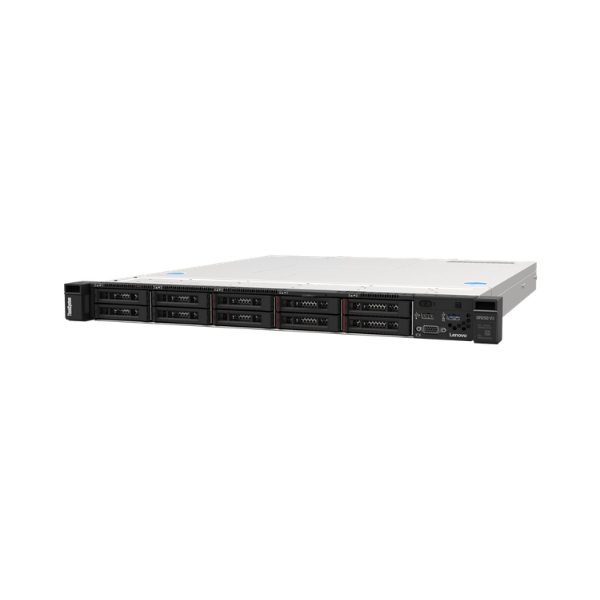
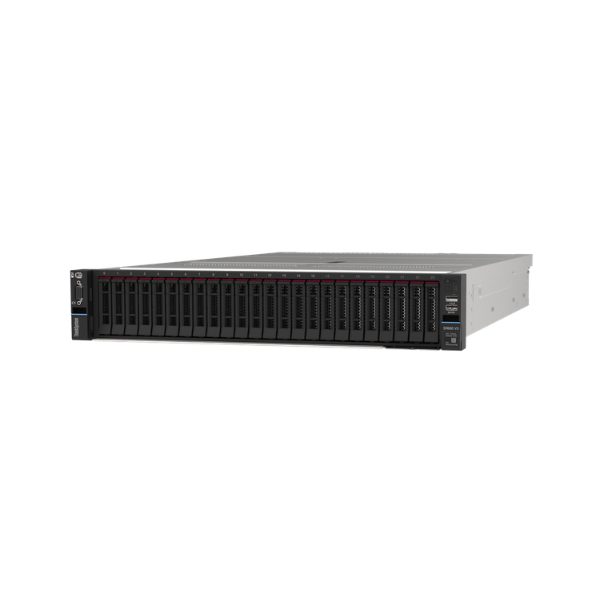
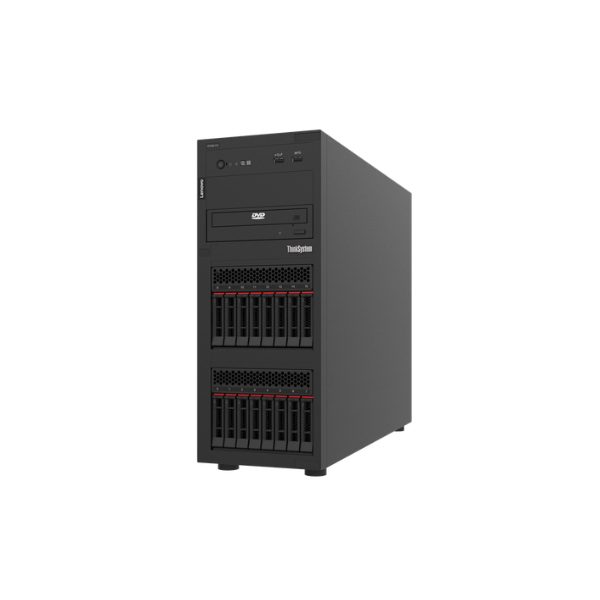
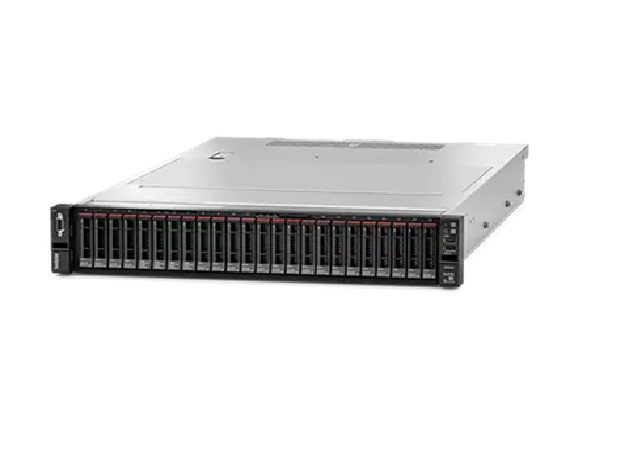
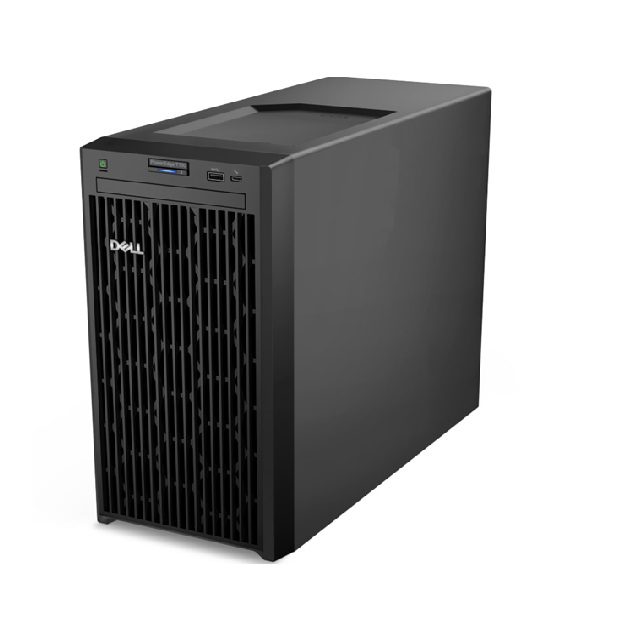
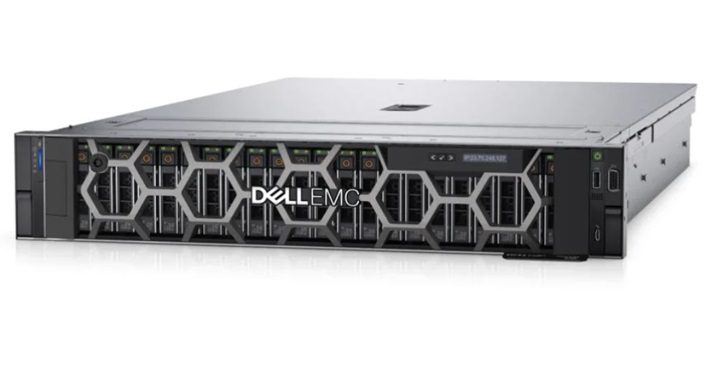
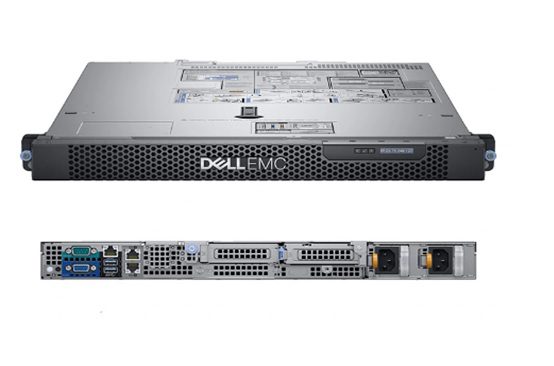
Nowadays, many companies and organizations store their data with service providers for data storage or for processing various applications, instead of keeping all data and processing within storage systems or data centers located in their own offices. The type of server that is placed within an organization’s office is called an On-premise Server, which is responsible for storing data and processing tasks according to the organization’s needs. However, the term server actually has a much broader meaning than that, depending on how it is used. Let us take a closer look at the definition of a server and what it really means.
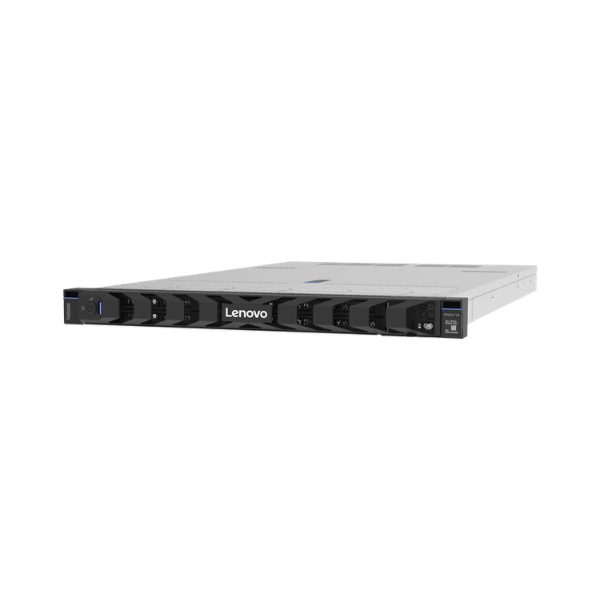
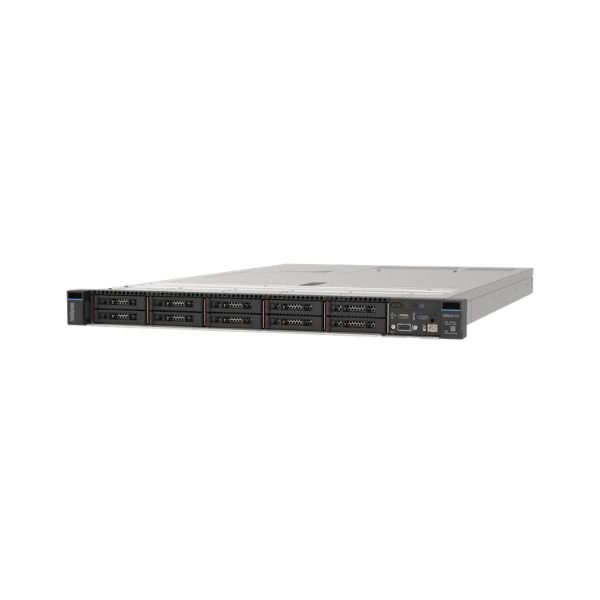
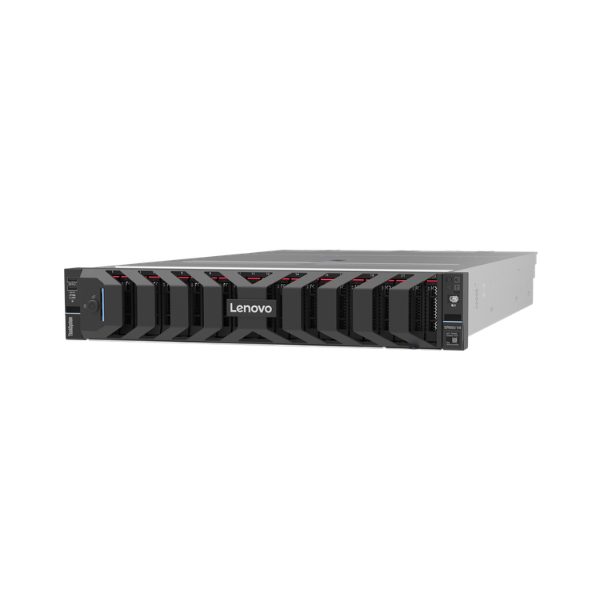
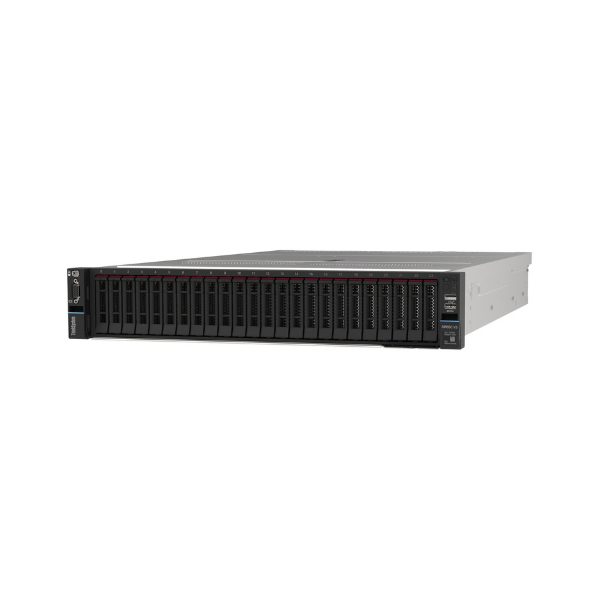
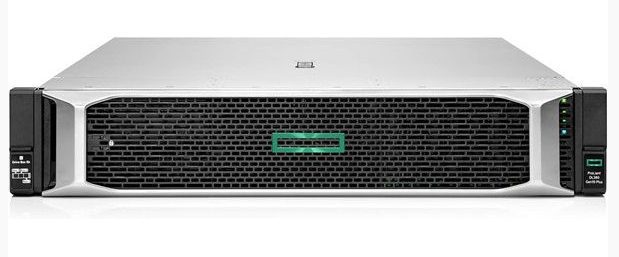
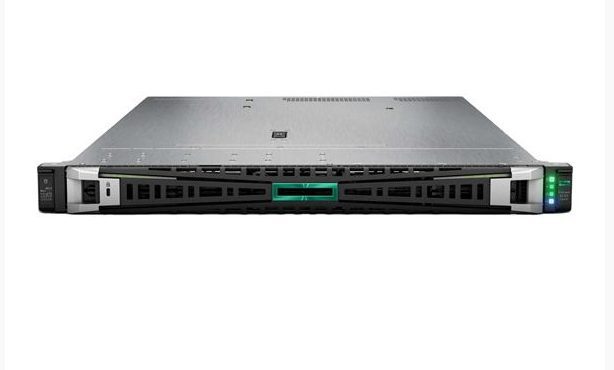
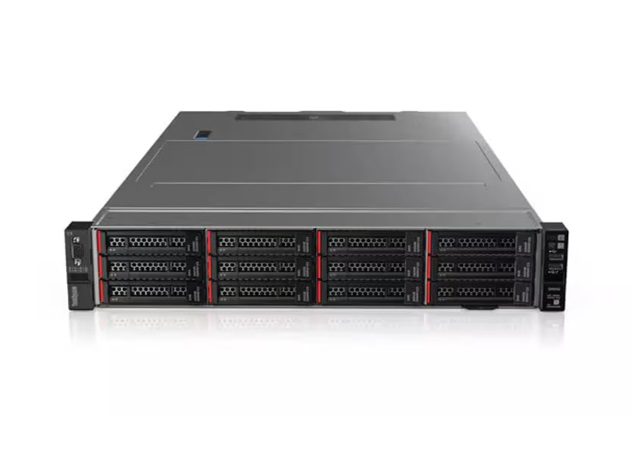
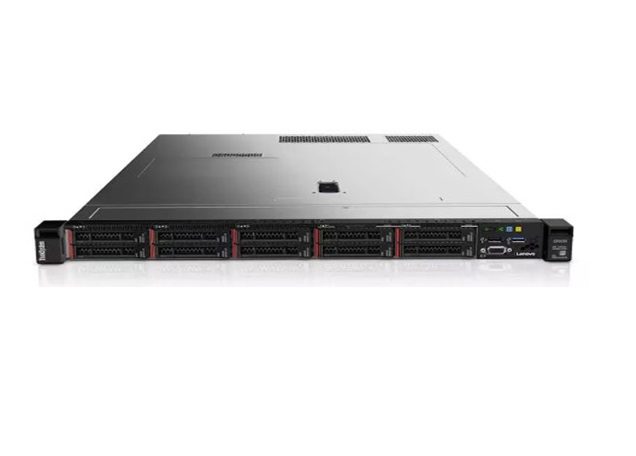
In computing, a server is a computer program or device used to perform calculations or process tasks requested by users or applications. It is designed to provide services whenever a request is made. Servers can support a wide range of services and allow resources to be shared among multiple users. Examples of server usage include Web Servers, Database Servers, Mail Servers, File Servers, Application Servers, and Virtual Servers.
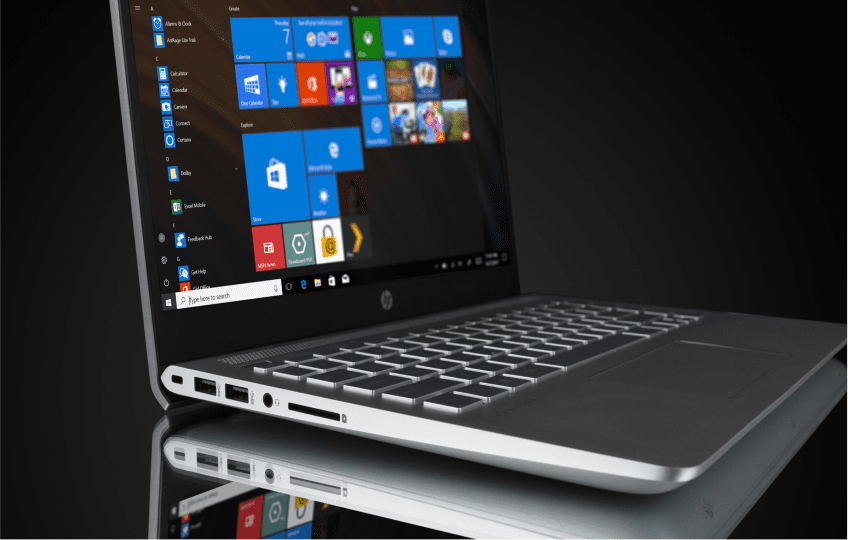
A server is different from a regular computer in that it is designed to support large-scale services and processing tasks. It can provide services to users continuously whenever a request or usage is made. Servers can support connections through internet networks, offer high performance, and provide a very high level of security. Most servers are located in highly reliable data centers and are maintained by experienced professionals who have received continuous training in managing different types of servers.